


Body detoxification is more popular than ever, and hundreds of marketed detox diets exist. While some suggest using natural ingredients like herbs and spices, others focus on fasting, calorie restriction, and sometimes even more radical methods.
Detoxification is essential, and our body is already well-equipped to process and remove waste on its own. Everyday nutrition is a great place to start when you want to look after those natural processes, without radical detox diets or cleanses.
Instead, what our body needs is consistent care. Nourishing food, sensible hydration, sleep, and movement help make a healthy routine—along with reducing avoidable exposure to smoke and pollutants.
That’s where sea moss comes in as a food ingredient. Its mineral variety and seaweed fibers make this edible seaweed a lovely addition to a colorful, balanced diet.
Enjoying sea moss can be simple and all-natural. It does not require fasting or restriction. Blend it into a smoothie, stir it into a drink, or choose a convenient capsule serving. Think nourishment and everyday habits: your liver and kidneys carry out the actual detoxification work.
Related article: 18 sea moss benefits for your health and wellness.

Does Sea Moss Detox Your Body?
If you're into healthy lifestyles and detox diets, chances are you've already heard of sea moss. This edible seaweed is a nutritional powerhouse on top of the best superfoods list. Irish moss is Chondrus crispus; our Saint Lucian raw sea moss and gel use Eucheuma cottonii.
Sea moss often features in natural wellness and ‘detox’ routines. But let's start by understanding how your body handles waste and where good nutrition fits in.
Related article: Top 10 sea moss benefits for women’s health.
Why your body’s natural detox processes need good care
Detoxification involves processing potentially harmful substances and removing waste. It happens naturally in the body, with the liver and kidneys doing much of the work. The lungs remove carbon dioxide, and the digestive tract carries away waste. The lymphatic system and skin have important protective roles too; sweating is mainly a way to regulate temperature.
We encounter substances in our surroundings every day. The type of substance, amount, and duration of exposure matter—not simply how many chemicals exist. Reducing avoidable exposures is a useful first step; a suspected poisoning or significant exposure deserves medical attention.
When we say toxins, we mean substances that can harm us at a sufficient exposure. They can reach us through the air we breathe, foods, water, or contact with our skin. Examples include tobacco smoke, exhaust and industrial pollutants, certain mold toxins, pesticides, herbicides, heavy metals, and some household or workplace chemicals. Their risks depend on the particular substance and dose.
Our everyday choices can give the body a little help through good nourishment and fewer avoidable exposures. At Organics Nature, we favor enjoyable, sustainable habits over restrictive cleanses. If you’re managing a health condition, choose changes that fit your care plan.
Instead, bring a variety of natural ingredients into your nutritional routine: sea moss, lemon, ginger, garlic, fresh fruits, berries, leafy vegetables, artichokes, and beetroot. Apple cider vinegar can also add a tangy flavor to a dressing. These foods make healthy eating more interesting and offer different nutrients, rather than needing to do the same job.
Clarification: The terms detox and cleanse are often used interchangeably in wellness marketing. A ‘cleanse’ commonly describes a short juice or diet program, while ‘detox’ can describe anything from a dietary routine to a medical treatment for a particular exposure. Here, our focus is a nourishing food routine that works with your body’s own processes.
Related article: Top 6 benefits of sea moss for men’s health.

How sea moss fits into a nourishing routine
Sea moss offers an impressive nutrient variety, highlighted by its 92-of-102 mineral profile. Vitamins and minerals play different roles, and the amount of each depends on species, preparation, and serving size. It’s an interesting addition to your overall diet! Explore our guides to immune-health questions, diabetes and nutrition, blood pressure and heart health, fertility and nutrition, and mental well-being for the relevant considerations. For these conditions, appropriate medical care remains part of the picture.
Among the nutrients discussed in sea moss and whole-food nutrition, these vitamins and minerals have useful everyday roles. Here’s how they contribute across a varied diet:
- Iron: helps red blood cells carry oxygen around the body.
- B vitamins: contribute to metabolism; vitamin B6, for example, takes part in many enzyme reactions.
- Vitamins E and C: act as antioxidants, helping protect cells against free-radical damage.
- Copper, zinc, and selenium: contribute to normal functions including energy production, immune health, and cellular protection.
- Vitamin A: supports normal cell growth, vision, and immune function. Plant foods can provide carotenoids that the body converts into vitamin A.
Adequate nutrition helps your body carry out its normal functions, including those of the liver, kidneys, lungs, and digestive system. A varied diet gives these systems the resources they need. Sea moss is one enjoyable ingredient in that wider plan.
Sea moss also interests researchers for its antioxidant compounds. For example, research on Irish moss extracts measured antioxidant activity in laboratory tests. That study helps explain interest in the seaweed’s chemistry; its extracts and laboratory measurements are different from drinking a serving of sea moss gel.
Its seaweed fibers are another interesting feature. In a study of cultivated Irish moss in rats, researchers found changes in beneficial gut bacteria and microbial metabolites. This is animal research on Chondrus crispus, offering a useful look at its prebiotic potential. For everyday digestion, consider the fiber and fluids in your whole diet; our bowel-movement guide explains more.
Your kidneys naturally remove waste and extra water through urine. Sensible hydration helps you follow a comfortable daily routine; drinking excessive amounts or trying to force more urination is unnecessary. If you have kidney disease or a prescribed fluid limit, follow your care team’s nutrition and hydration directions.
Seaweeds contain different gelling fibers. Alginate comes from brown seaweeds, while sea moss is a red seaweed associated with carrageenan—the natural gelling component that makes it so useful in recipes. The research cited here examined green seaweed, Ulva lactuca, in cadmium-exposed fish and found favorable antioxidant and DNA-damage measures in fish liver. It is an aquaculture study, with a different seaweed and setting from human sea moss nutrition.[1]
Finally, plant pigments and other compounds add to the interest in colorful foods. Chlorophyll is the green pigment you’ll find in leafy ingredients like the spinach in our smoothie; flavonoids are another group of plant compounds studied for antioxidant activity. Enjoy that variety as food. If heavy-metal exposure is a concern, medical testing and appropriate treatment address the specific exposure.
As you can see, there are many reasons to enjoy sea moss in a nourishing routine. Its nutrient variety, texture, and versatility make it easy to pair with other whole-food ingredients while your body’s own organs handle waste removal.
Related article: How long does it take for sea moss to work in the body?
Sea moss and your wellness goals
People often look to ‘detox’ routines when they want to feel better overall. These familiar wellness goals are worth thinking about as part of your full routine—including food, sleep, activity, skincare, and medical care when needed:
- Everyday energy levels
- Healthy, younger-looking skin
- Weight-management goals
- A healthy inflammatory response
- Blood circulation and heart health
- Normal immune function
- Clear thinking and stress relief
- Good sleep quality
- Healthy hair
- Comfortable breathing, with care for persistent symptoms
- A sense of well-being
What makes sea moss so appealing is that it fits into much more than a short-term cleanse. Cooking, drinks, and a convenient daily nutrition routine all offer ways to enjoy it. Explore our sea moss benefits guide for more ideas and the research behind particular uses.
Choose quality from the start. Organics Nature’s raw sea moss is wildcrafted, hand-harvested from Saint Lucia’s coastal waters, sun-dried, and third-party tested for heavy metals and purity. Good sourcing and testing matter because seaweeds absorb substances from their growing environment. That’s why we take care with what goes into your routine!
Related article: The right way to use sea moss for weight loss.
Organics Nature’s Irish Sea Moss Capsules—easy daily nutrition
How to Use Sea Moss in Your Wellness Routine
Another benefit of enjoying sea moss is that it’s very easy! You can add it to your existing meals without fasting or a strict diet. A routine you actually enjoy is much easier to keep.
Start by adding a measured serving of sea moss to your daily nutritional plan, choosing a preparation that suits you. Pair it with balanced meals and habits you feel good about. A little planning makes your favorite format easy to remember!
You can use sea moss gel, capsules, or Vanilla-Caramel collagen-and-sea-moss powder. Try a consistent routine and review how it fits your day after 4 to 6 weeks. That’s a practical check-in for your habits and preferences, rather than a toxin-removal timetable.
Follow the current product’s serving directions: 2 tablespoons (30 g) of our Mango Pineapple Gel or 2 Irish Sea Moss Capsules daily. Choose one suitable format rather than stacking servings. Seaweed supplies iodine, and too much can affect thyroid function. If you have a thyroid or kidney condition, take medication, are pregnant or breastfeeding, or are choosing for a child, ask a clinician or pharmacist to review the full formula. Our side-effects guide offers helpful context.
Related article: Find out how much sea moss you should have daily.
Sea Moss Detox Drinks & Smoothie Recipes
One of the most enjoyable ways to bring sea moss into a fresh-food routine is in drinks and smoothies. Sea moss gel incorporates very easily into beverages and foods.
These drinks are an excellent opportunity to combine sea moss with fresh fruits, vegetables, and a little spice. You get appealing flavor, color, and a practical way to enjoy different ingredients together. Serve them alongside normal meals rather than using juice as your whole diet.
Here are two of our favorite sea moss drinks for a refreshing wellness routine.
Related article: 10 great sea moss drink ideas and recipes!

Sea moss detox smoothie recipe
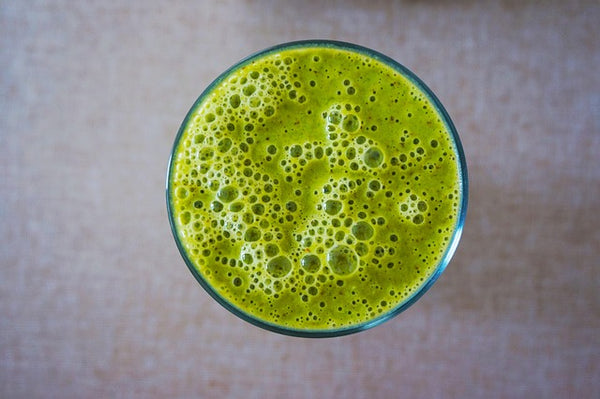
This sea moss smoothie mixes sea moss with green apples, pineapple, spinach, ginger, and lime juice. It’s loaded with colorful ingredients, vitamins, and minerals, while the avocado brings a lovely creamy texture. Blending keeps the produce’s fiber in your drink—a delicious way to start the day!
Ingredients (2 servings):
- 2 green apples (peeled and sliced)
- 1 cup frozen pineapple
- 5 cups fresh spinach
- ½ cup avocado
- 1-inch fresh ginger (peeled and minced)
- 2 tbsp lime juice
- 4 tbsp plain homemade sea moss gel
- 1 cup water
Instructions: Combine all the ingredients in a high-speed blender and blend until smooth.
Related article: How to make sea moss smoothies + 6 recipes.
Sea moss juice cleanse recipe
Juicing is a refreshing way to enjoy fruits and vegetables. It extracts their juice, but leaves much of the fiber behind, so whole produce and smoothies are useful options too. Enjoy this colorful drink as part of your meals rather than a juice-only cleanse.
Adding sea moss gel gives the juice extra body and a tasty way to enjoy the seaweed. Beetroot, carrot, apple, lemon, and ginger make a vibrant combination. Here’s our favorite recipe, making two servings:
Ingredients (2 servings):
- 3 medium beets
- 6 carrots
- 2 green apples
- ½ lemon
- 1–2-inch fresh ginger
- 4 tablespoons Organics Nature Mango Pineapple Sea Moss Gel
Instructions: wash, peel, and chop the fruits and vegetables. Add them to a juicer one at a time. When the juice is ready, add sea moss gel and stir well; blend briefly if you prefer a more uniform texture. Divide into two servings and serve cold. Enjoy freshly prepared, and refrigerate promptly if saving a portion. If you’re prone to calcium-oxalate kidney stones, ask about the spinach and beetroot amounts in these recipes; if you have diabetes, fit the fruit and juice portions into your eating plan.
What are your favorite detox foods and recipes? Have you tried sea moss yet? Share and comment below!
Ready to make sea moss part of your day? Try our Vanilla-Caramel Collagen Sea Moss in your favorite coffee or smoothie, or choose our Mango Pineapple Gel for a fruity spoonful of Saint Lucian sea moss!
References:
[1] Oladokun, Olanrewaju & de maio, Anna & Lionetti, Eva & Bianchi, Anna & Rabbito, Dea & Ariano, Andrea & Majdoubi, Fatima & Guerriero, Giulia. (2021). Sea Farms as a Safe and Sustainable Food Source: An Investigation on Use of Seaweeds for Liver Detoxification and Reduced DNA Damage in Lates Calcarifer (Bloch, 1790). 10.1007/978-3-030-51210-1_106. Read the original sea-farming study abstract